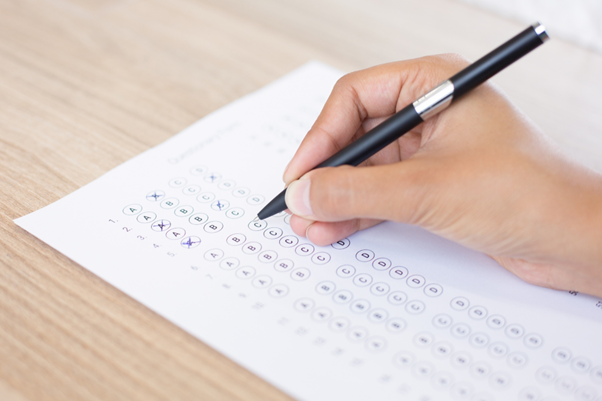
Mindful Parenting: Promoting Student Mental Well-being During Examinations
It’s that time of the year again when everybody is tested—students, parents, teachers and the education system.
Let us read about how parents can be mindful and supportive during examinations.
Parents play a very important role in shaping a child’s life and personality. Examinations are an important milestone in a student’s life, especially board examinations and competitive exams. During this phase, parents have a significant contribution in supporting children effectively.
Parents’ Support for Students During Examinations
Communication
• Parents should maintain open, empathetic and non-judgmental communication, allowing students to express examination-related stress, fears and self-doubt safely.
• Providing positive reassurance helps reduce anxiety and fosters a sense of security, trust and self-confidence.
• Parents should use calm, respectful and encouraging language, particularly during revision periods and on examination days, to prevent fear and emotional overload.
• Asking open-ended and supportive questions, rather than giving constant instructions or corrections, helps students feel trusted and emotionally supported.
• Parents should avoid repeated reminders about results, rankings or consequences, as these may increase pressure and negatively impact concentration.
• Engaging in constructive post-examination discussions focused on learning, effort, and growth helps protect the child’s self-esteem and emotional well-being.
Physical well-being
• Parents should support mental well-being by ensuring adequate sleep, balanced nutrition and proper hydration, which are essential for optimal brain functioning and emotional regulation.
• Maintaining a calm, organized and distraction-free study environment helps reduce overstimulation and supports sustained focus and mental clarity.
• Encouraging a balanced daily routine, including short breaks and light physical movement, helps prevent mental fatigue and burnout.
• Parents should avoid excessive late-night study expectations, as rest and recovery are critical for memory retention and emotional balance during examinations.
• Regular meal timings and reduced screen exposure contribute to physical stability and improved stress management.
Social and Emotional well-being
• By avoiding excessive pressure, criticism and unhealthy comparisons, parents protect children from emotional distress, fear of failure and performance anxiety.
• Consistent encouragement and appreciation of effort strengthen self-confidence, resilience and a positive self-concept.
• Parents should help students view examinations as one aspect of the learning journey, rather than a measure of intelligence or self-worth.
• Providing reassurance of unconditional acceptance, irrespective of results, fosters emotional security and psychological safety.
• Supporting children in developing healthy coping strategies, such as deep breathing, reflection or positive self-talk, enhances long-term emotional resilience.
Parent Pledge for the Mental Well-Being of Students During Examinations
As a parent, I pledge that during examinations:
1. I will prioritize my child’s mental health over marks and rankings.
2. I will listen with empathy and allow my child to express stress without judgment.
3. I will avoid comparisons with siblings, friends or classmates.
4. I will focus on effort and progress, not just outcomes.
5. I will maintain a calm and supportive home environment.
6. I will ensure my child gets adequate sleep, nutrition and breaks.
7. I will set realistic expectations and respect my child’s pace and abilities.
8. I will model calmness and confidence, even during stressful moments.
9. I will remind my child that examinations are part of learning, not a measure of self-worth.
10. I will offer unconditional love and support, regardless of results.
I commit to raising a confident and emotionally strong child—because mental well-being matters more than any examination.